
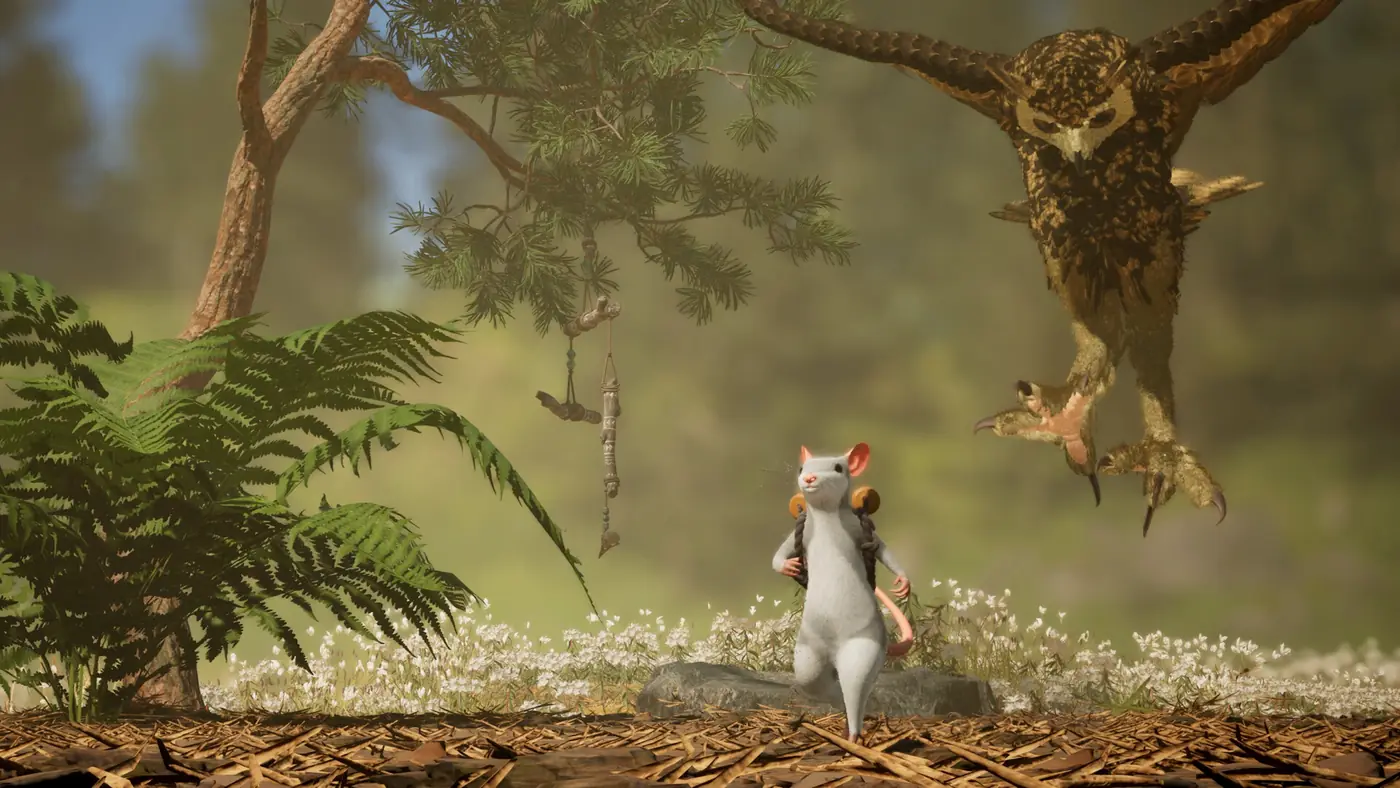
The Hela: of Mice & Magic demo opened on 8 October 2026 and closes on 9 November 2026. It is free, it runs on Steam, the Epic Games Store and the Xbox PC App, and it is not a slice of the campaign. It is a short side story on a map built for it, playable alone or with a second person on the same screen.
The end date is the part that moved. The demo was originally scheduled to close with Steam Next Fest in October, then extended to 9 November, which puts its final day three weeks before the 1 December launch. After that date the build is withdrawn and the areas inside it cannot be reached again until the full game arrives.
What is actually in the build
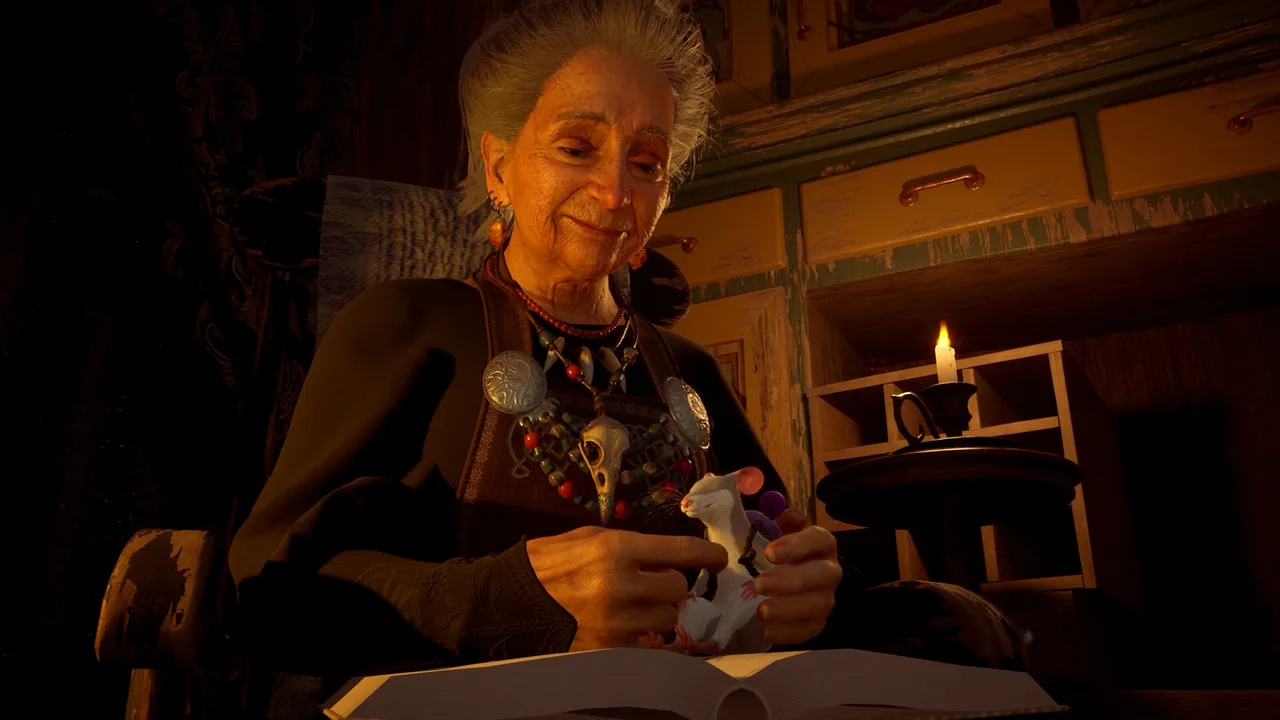
Roughly thirty to sixty minutes of play, depending on how much of the side story a player chases. The setup is a small errand for the witch: restart her guardian magic, gather enough Glimmer, and find the way home. The map is exclusive to the demo rather than lifted from the retail world, so the terrain, the puzzles and the route are not reused in the full game.
Progress does not carry. Nothing collected, unlocked or completed in the demo transfers to the retail build, and there is no import step at launch. That makes the demo a closed loop which ends when its story ends, and it also means a player can delete it afterwards without losing anything that would have mattered.
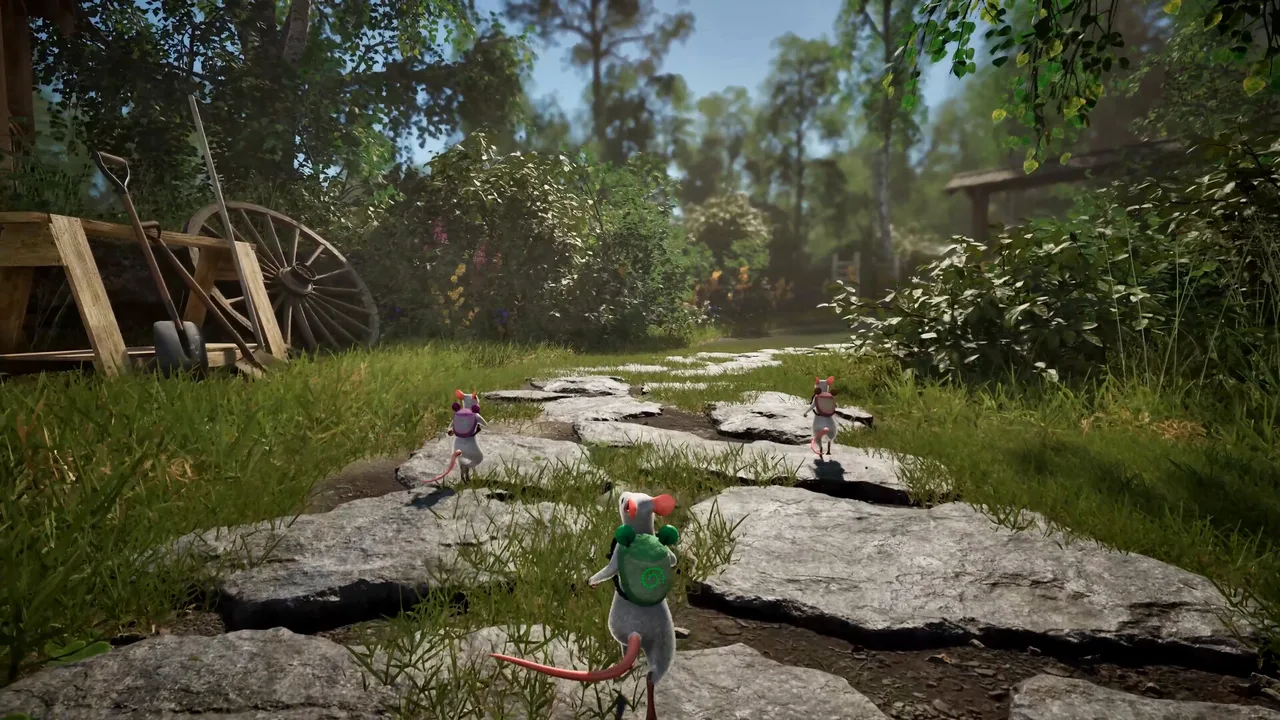
The systems on show are the retail ones in miniature. The Froggy backpack glides, swings and carries, remedies are brewed from gathered plants, and the Shade System summons a magical double so that a puzzle built for two people can be solved by one. None of it is a tutorial for the campaign; it is the same toolkit applied to a smaller map.
 Official media · Steam
What works and what does not
| Works in the demo | Does not work in the demo |
|---|---|
| Single player | Online co-op |
| Two-player local split screen | Four-player sessions |
| Full Steam Deck support | Joining a session already in progress |
| Froggy backpack traversal | Carrying progress into the retail game |
| Shade System puzzles | Access to the retail map |
The split-screen limit is the one that catches people out. The retail game supports up to four players online and two per screen locally, but the demo stops at two people on one screen and offers no online play at all. A second player also has to be present before the session starts, because the demo does not allow someone to drop in midway. The pairing is decided at the start, not during play.
Why the second player cannot join late
Local split screen in the demo is built around a single continuous session. Both characters are placed in the opening area together, and the story beats assume both are present. There is no join menu, no drop-in prompt and no way to hand the second controller over after the first puzzle has been solved.
That is a different rule from the retail game, which is designed around online sessions of up to four. Anyone planning to test the co-op with a partner should start the demo twice if needed rather than expect to add a player halfway through. The restriction is a property of the demo build, not of the full release.
 Official media · Steam
Steam Deck and the three storefronts
The demo runs on Steam, the Epic Games Store and the Xbox PC App, and the Steam Deck build is fully supported rather than merely tolerated. That matters more for a demo than for a full game, because a handheld is where a thirty-minute side story fits: the session length matches the format and the small map suits a short sitting.
The three storefronts serve the same build. There is no platform-exclusive content in the demo and no separate story branch, so the choice of store affects only which launcher opens. Anyone who intends to buy on Steam can play the demo there and keep the same library, and anyone heading for the Epic Games Store can do the same.
The Next Fest result behind the extension
During the October 2026 Steam Next Fest, which ran from 19 to 26 October, more than 8,200 demos were entered and this one finished inside the top 25. That figure measures how many people tried it during the week rather than how good it is, but it explains the extension: a demo placing that high keeps its audience for another fortnight instead of closing with the festival.
The extended window also covers the gap between the festival and launch, which is otherwise empty of news. Three weeks is long enough for word of mouth from the demo to reach people who ignored the festival, and short enough that the demo does not compete with the retail release for attention.
What the demo cannot tell you
A demo of this shape answers questions about movement and tone, not about length or structure. It shows how the mouse moves at its own scale, how the backpack changes traversal, how remedies are made, and how the Shade System covers for a missing second player. It does not show the size of the retail map, the pacing of the story, or how four-player online behaves, because none of those are in the build.
The absence of online play is the clearest example. A player who wants to know whether the co-op holds up across a full campaign learns nothing about that from the demo, since the demo only supports two people in the same room. The same applies to the online layer, which runs through Epic Online Services and requires a third-party account linked to Steam.
What to do before 9 November
Play it on the platform where the full game will be bought, so the controls and the frame rate carry over. Try the split screen with the person who would actually play it, and decide before starting, because the second player cannot join late. Treat the save as disposable, since nothing in it survives the switch to the retail build.
After 9 November the demo stops being an option and the launch becomes the only route to the same content. The three-week gap between the two dates is the last window in which the game can be tried at no cost, and it closes before any digital price is published.