
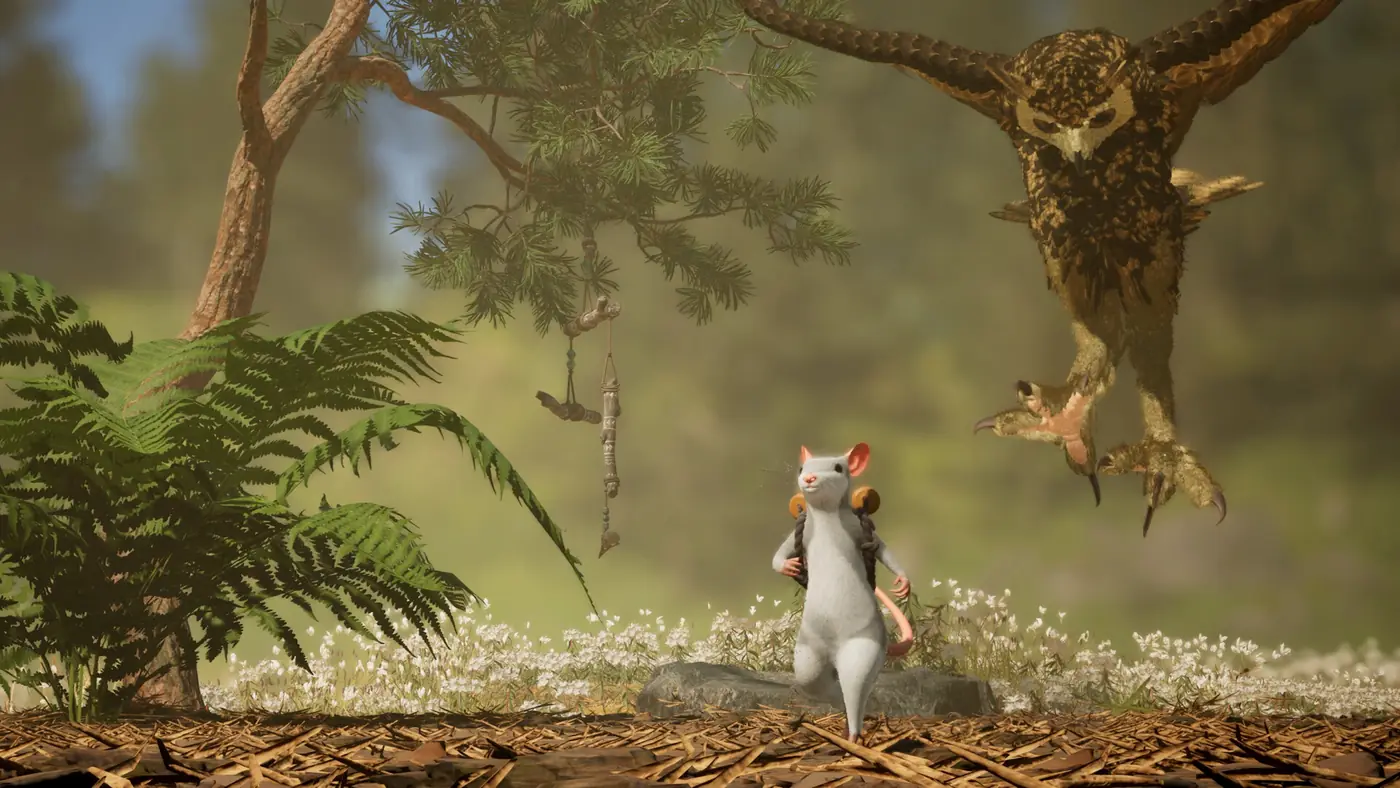
Hela: of Mice & Magic joins Xbox Game Pass on day one, 1 December 2026, across Xbox Series X|S and PC. A subscriber with an active plan plays at launch without buying a copy. The boxed Harmony Edition remains a separate purchase with its own contents and price.
What day one means here
The game is in the subscription from the first day it is on sale, not added months later. That places it in the same window as the retail launch rather than in a later catalogue drop, and it means the launch day and the Game Pass day are the same date.
| Platform | Extra purchase needed while subscribed |
|---|---|
| Xbox Series X | No |
| Xbox Series S | No |
| PC via the Xbox PC app | No |
| Steam | Yes |
| Epic Games Store | Yes |
| PlayStation 5 | Yes, not covered |
| Nintendo Switch 2 | Yes, not covered |
The pattern is a Microsoft platform pattern. Xbox consoles and the Xbox PC app fall inside the subscription; Steam, the Epic Games Store, PS5 and Switch 2 sit outside it and are bought the ordinary way.
 Official media · Steam
Access, not ownership, and the maths of a copy
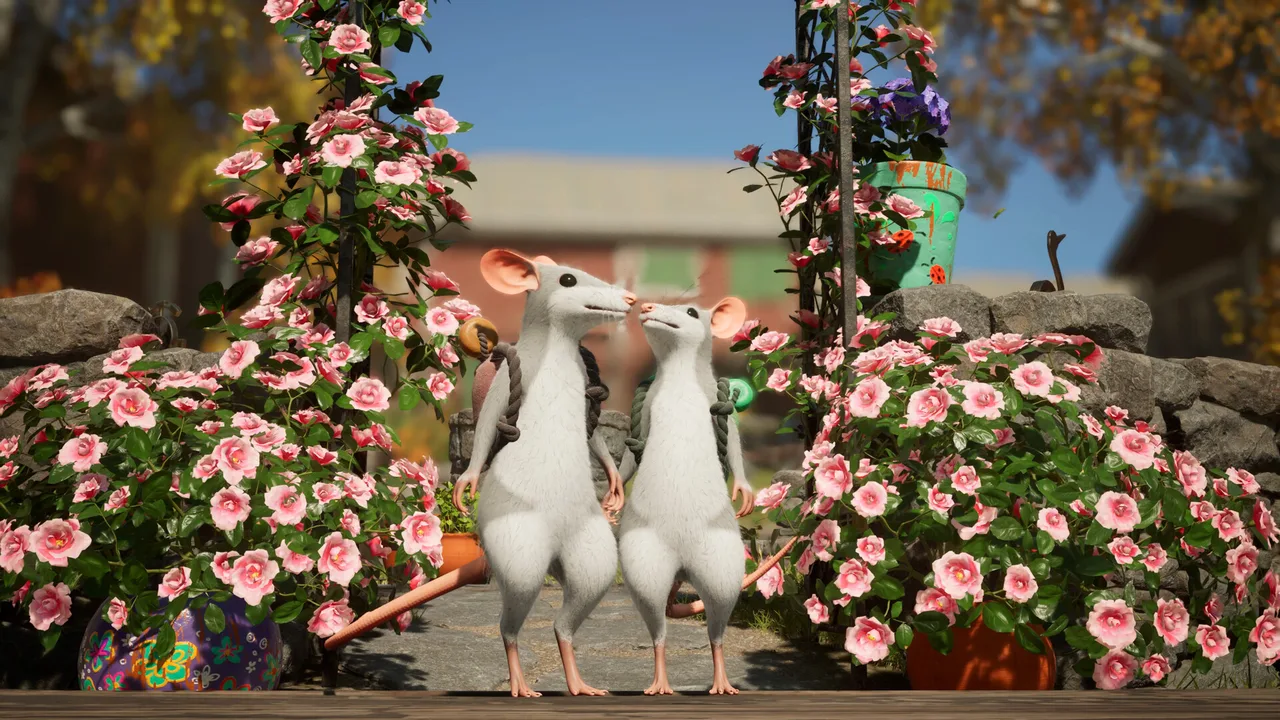
A subscription supplies the game, not a copy of it. An Xbox Series X owner with an active plan installs the game and plays it on 1 December 2026 with nothing added to a basket, and the same applies on Series S and on the Xbox PC app.
That is a different arrangement from buying. A purchased copy belongs to the account regardless of whether a plan is running; a subscription copy depends on the plan. Neither is better in the abstract, but the two routes answer different questions, and the Game Pass route answers "how do I play this on launch day" rather than "what do I own afterwards".
The comparison is narrower than it looks. A month of the subscription covers the whole game for as long as the plan runs, and a purchase covers it permanently, so the honest unit of comparison is time played rather than money saved.
A player who finishes the adventure inside one billing period comes out ahead on the subscription: one month against one copy, with no ownership left at the end. A player who keeps returning to the world long after the credits, or who wants the box on a shelf, is buying something the subscription cannot supply at any price. The break-even point depends on how long the game stays installed and how often it is reopened, and no published figure settles that for an individual.
There is also a duplication cost worth naming. Playing through Game Pass and later buying the disc means paying twice for the same game, once for access and once for the object.
What the subscription does not include
Game Pass covers the game. It does not cover the Harmony Edition, which contains a disc, a premium box, a digital soundtrack, a double-sided poster with the map and a 48-page softcover artbook titled The Heart of Hela, sold through selected retailers in a limited run.
A Series X owner who wants those items still buys the box, even with a subscription running. This is the one place where the two routes stack rather than replace each other.
 Official media · Steam
What Game Pass does not change
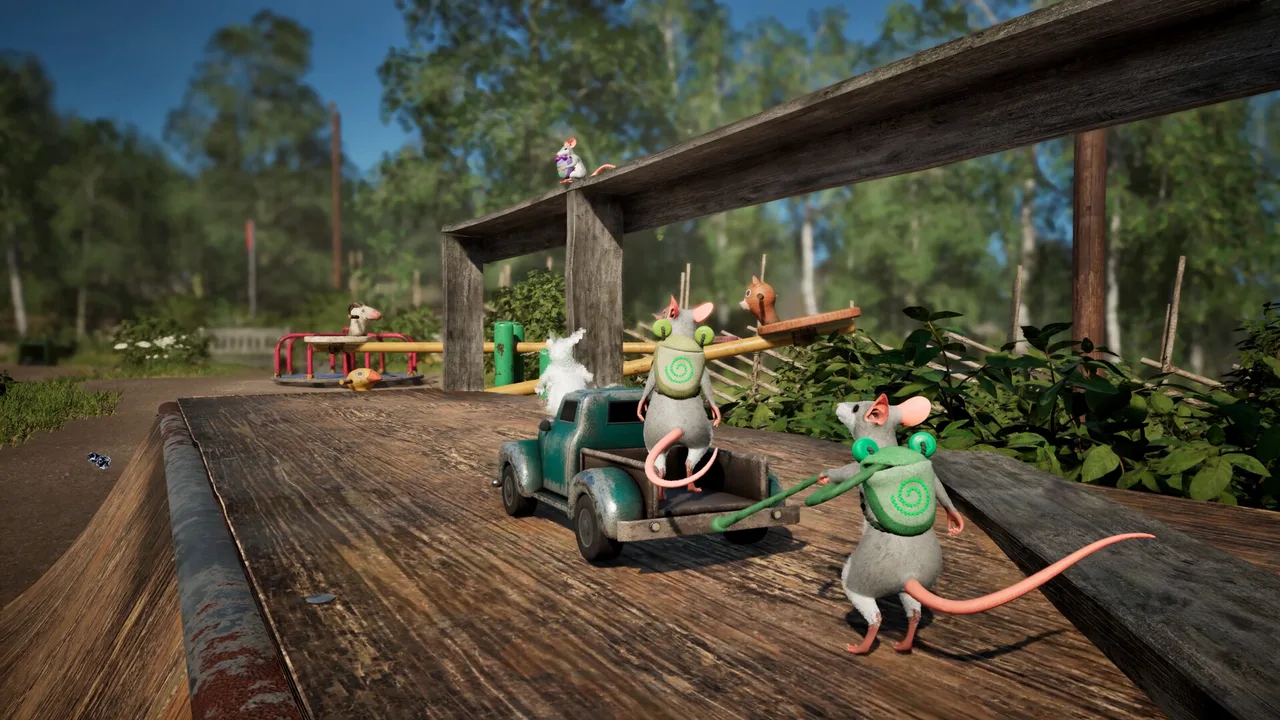
The subscription does not change how many people can play. The ceiling is 4 players online and 2 players in local split-screen, with a maximum of 2 players per screen, and that ceiling is the same whether the game was bought or accessed through a plan.
Crossplay is also unaffected. Online co-op runs on Epic Online Services with a third-party account linked to Steam, and whether an Xbox session accepts a PS5, Switch 2 or Steam player has not been announced. A subscription does not add a platform to that list.
The game itself does not change either: same world, same Shade System, same Froggy backpack, same brewing loop.
The PC side of the deal
On PC the covered build is the Xbox PC app version, which is one of three PC storefronts alongside Steam and the Epic Games Store. A subscriber installs it there and plays without a purchase.
The other two storefronts are not covered. A player who prefers Steam keeps their library, achievements and cloud saves in one place and pays for the game; a player who only wants to play at launch can use the app instead. The same Windows machine can hold either build, and the published floors apply either way: 64-bit Windows 10 or 11, 16 GB of memory, 15 GB of storage, with the CPU and GPU requirements rising between the minimum and recommended tiers.
The demo ran through the same app
The trial build that ran before launch reached PC players through the Xbox PC app, alongside Steam and the Epic Games Store, which is the same set of doors the full game uses. It offered a self-contained story on its own map, ran for 30 to 60 minutes, and supported one player plus 2-player local split-screen.
It is worth keeping the two things apart. The demo was a separate small adventure rather than a slice of the main game, and progress in it does not carry into the full release, so nothing accumulated there transfers to a launch-day install. The demo also had no online play, while the finished game supports 4 players online — a difference the subscription does not affect either way.
Who still buys a copy
Three groups sit outside the subscription route. PlayStation 5 and Switch 2 owners have no Game Pass access at all. Steam and Epic players are not covered on PC. Collectors want the box, the poster and the artbook, which the subscription does not supply.
Nothing on a shelf improves with a month of access. The subscription supplies the game and nothing else, and the physical items remain tied to the Harmony Edition whether or not a plan is running.
For everyone else on Xbox or the Xbox PC app, launch day is a download rather than a purchase, and the decision moves from "should I buy this" to "how long will I keep playing".
Day one, Series X|S and PC, no purchase required, physical edition separate, player counts and crossplay unchanged. That is the whole of the Game Pass arrangement for this release.